1902 · BRUSSELS
The Society is founded
On 9 September, an international group of surgeons establishes the Société Internationale de Chirurgie / International Society of Surgery in Brussels.
Founded in Brussels in 1902, ISS/SIC grew from a pioneering international surgical society into a worldwide community. Its story spans scientific exchange, world congresses, publishing, changing governance and the transfer of its headquarters from Belgium to Switzerland.
On 9 September 1902, surgeons gathered in Brussels to establish the Société Internationale de Chirurgie / International Society of Surgery. Three years later, the first Congress was held in Brussels under the presidency of Swiss surgeon Theodor Kocher.
By the first Congress in 1905, the Society already counted more than 600 members from over 20 countries - a remarkable international network for its time.
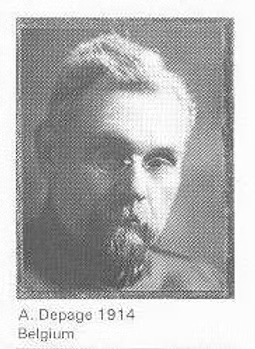
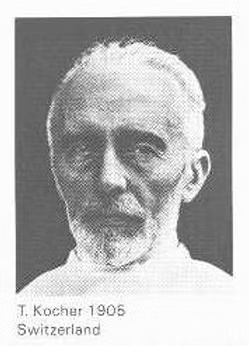
On 9 September, an international group of surgeons establishes the Société Internationale de Chirurgie / International Society of Surgery in Brussels.
The first Congress takes place under the presidency of Theodor Kocher. The Society already has more than 600 members drawn from many countries.
For its official journal, ISS/SIC uses its own emblem for the first time: two surgeons and a nurse standing at an operating table.
The Society is granted legal personality in Belgium by decree of King Leopold III; its statutes are subsequently published in the official Belgian record.
A new emblem, developed from Robert Danis’s concept and executed by medal artist Marcel Rau, shows a woman rising from an operating table. The Greek motto means “Life is reborn through surgery.”
Members openly question the long-standing Belgian predominance in the Society’s leadership and the constitutional requirement that the headquarters remain in Brussels.
The Council supports reforms so that no country can hold a majority in the Executive Committee and the President no longer has to be Belgian.
Fritz Linder of Heidelberg becomes President of ISS/SIC for the 1973-1975 term, marking a decisive change in the Society’s international governance.
ISS/SIC establishes the World Journal of Surgery, with Marshall J. Orloff as its first Editor-in-Chief.
At the General Assembly, the Belgian Society is legally dissolved and reconstituted with a new constitution. The members approve the move of the headquarters to Basel, Switzerland.
The ISS/SIC office officially begins operating in Basel under a new administrative structure, with Martin Allgöwer playing a central role in the transition.
ISS/SIC continues its Swiss chapter with the administrative office moving from the Basel area to Zurich.
At the General Assembly, members support the introduction of a contemporary logo for a global surgical Society in the 21st century.
Following an international call for ideas and further refinement, the current ISS/SIC logo is approved by the Council of the Society.
International Surgical Week 2028 continues the Society’s long tradition of bringing the worldwide surgical community together.
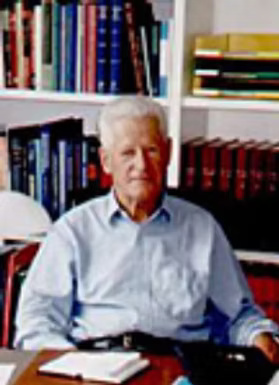
For decades the Society’s statutes tied its headquarters and key offices closely to Brussels and Belgium. By the late 1960s and 1970s, ISS/SIC increasingly sought a structure that reflected its international membership.
At the 1979 General Assembly in San Francisco, members approved the legal steps required to reconstitute the Society and selected Basel as the new headquarters. The transfer was prepared during 1979, and the new office became operational at the beginning of 1980.
ISS/SIC has used three principal visual identities: the operating-room emblem introduced for the journal in 1936, the historic “Lady” emblem introduced in the 1950s, and the current global emblem approved in 2025.
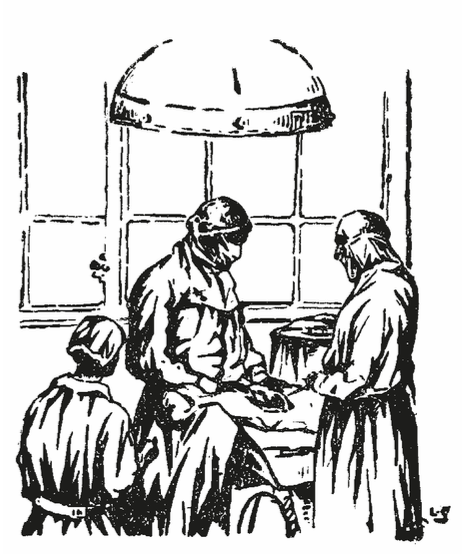
The first ISS/SIC emblem showed two surgeons and a nurse at an operating table and appeared on the Society’s official journal.
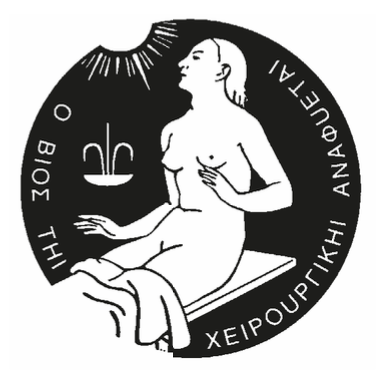
The second emblem showed a woman rising from the operating table toward the sun, surrounded by the Greek motto: “Life is reborn through surgery.”
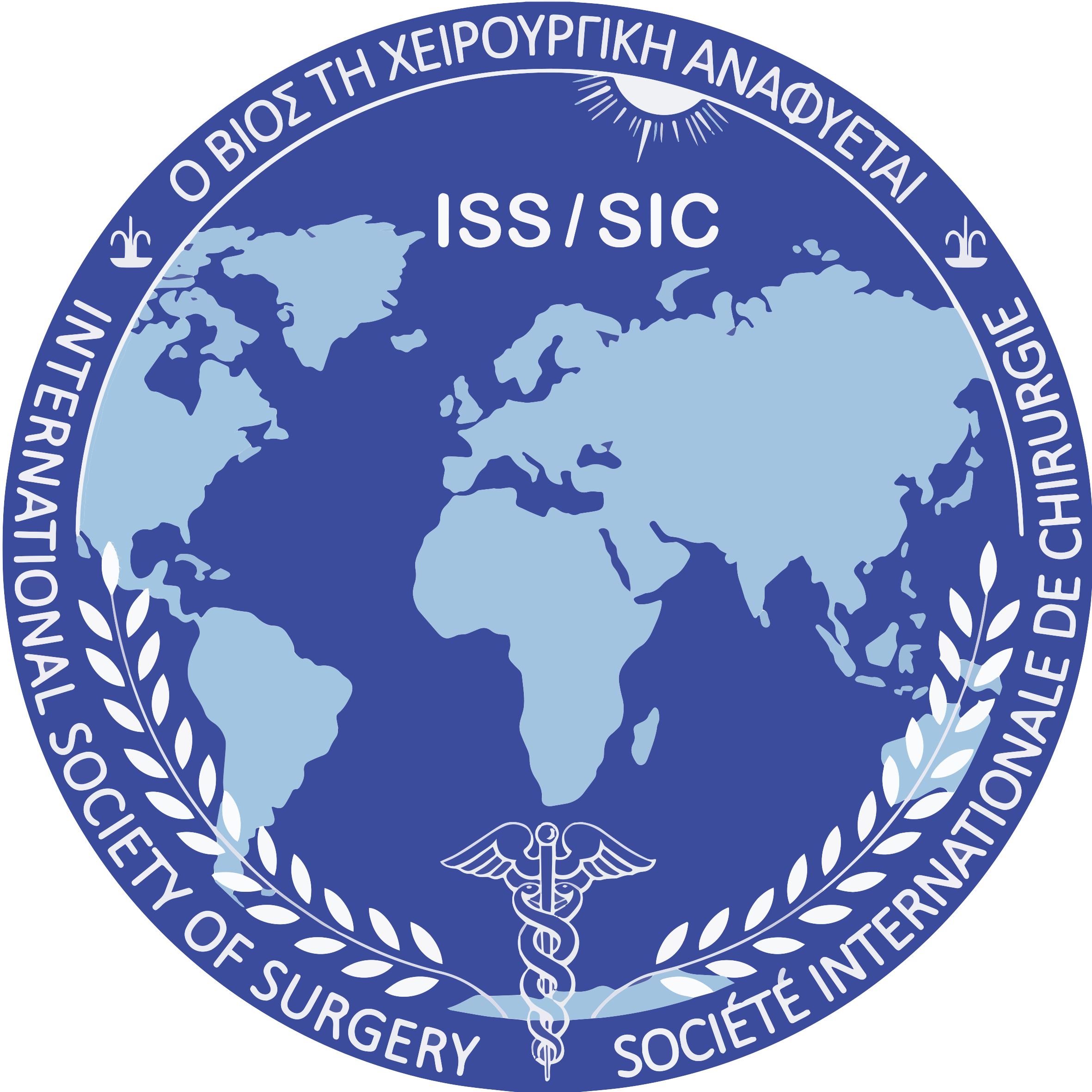
The current emblem retains the Society’s history and bilingual identity while placing the world at the centre of a contemporary international mark.
Explore today’s leadership and the Society’s current international network.